
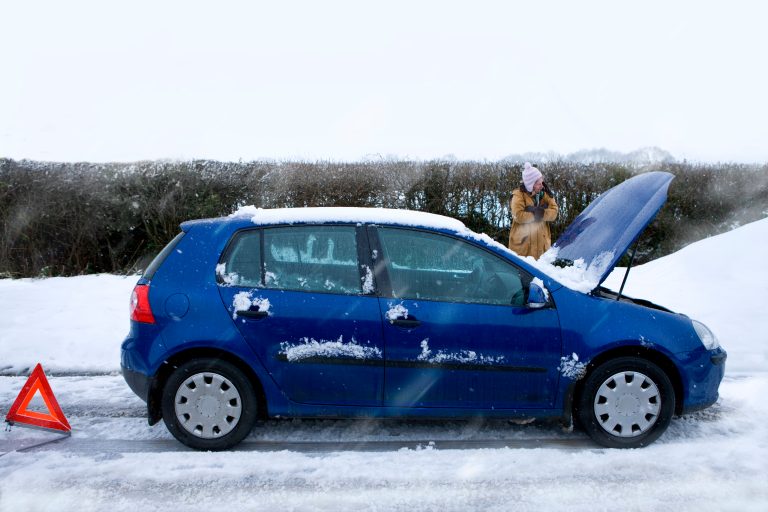
Nothing ruins a chilly morning faster than a car that refuses to start, and winter is the number one culprit. As temperatures drop, car breakdowns become much more common.
This article will discuss the winter problems your car may face this season, covering how to deal with them and how best to prepare.
The most common causes of winter car breakdowns
1. Cold temperatures weaken batteries
Negative temperatures slow down the chemical processes that creates electricity.
This means the battery produces less power, causing a reduction in cranking power.
Your car may be harder to start or will refuse to all together, as a result of colder temperatures slowing down your battery performance.
2. Car fluids thicken and move slower
Engine oil, transmission fluid and coolant gets thicker in the cold, which slows their molecular movement down and makes them more resistant to flow.
This forces the engine to work harder, resulting in increased wear on engine components, reduced efficiency and difficulty starting.
3. Problems with sensors and electrical processes
Modern cars rely heavily on sensors and modules to create safe and optimal driving experiences.
The cold weather can cause a buildup of condensation or frost on your anti-lock braking system ,causing corrosion of internal components or electrical faults.
Weak voltages from cold batteries may cause confusing errors or warning lights to appear on your dashboard, which will likely disappear once the car warms up.
4. Change of tyre pressure
When it gets cold, the air inside the tyres contracts which causes a drop of 1-2 PSI (pressure unit) for every 10-degree decrease in temperature.
Underinflated tyres reduce traction, increasing braking distances and can lead to faster tyre wear and damage.
A change of tyre pressure increases your risk of a flat tyre or blow out.
5. Frozen components
Moisture can freeze in door locks, windows, handbrakes and washer jets.
Forcing these can result in breaks of cables and linkages, creating a mechanical breakdown.
6. Extra strain on the engine and alternator
Cold weather forces the engine and alternator to work harder as there is an increased demand on heating and electrical systems.
In the winter, drivers rely heavily on heating systems, defrosters, heated seats and headlights.
This places a higher electrical load on the engine and alternator, making it weaker.
This can cause the battery to drain or an electrical shutdown.
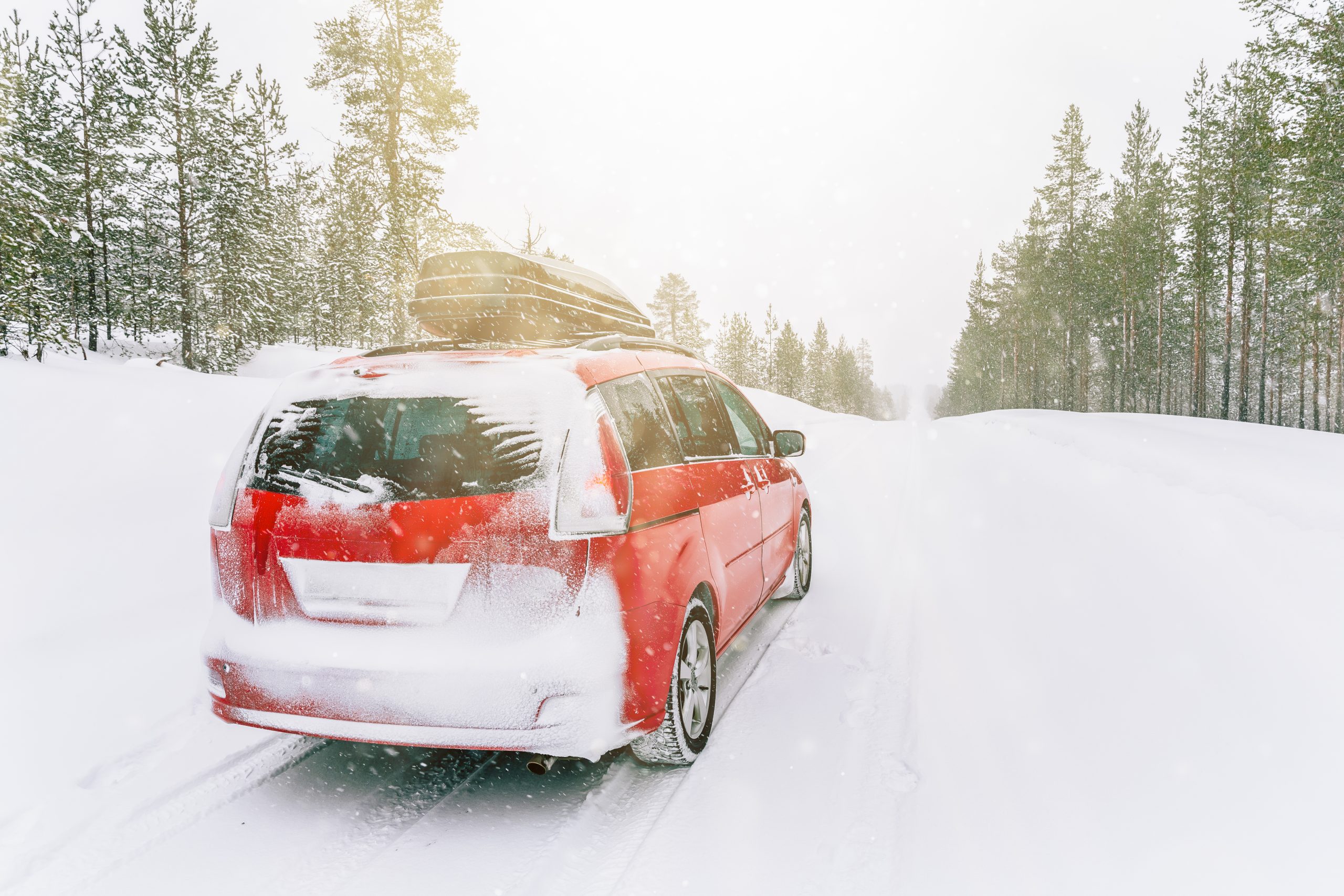
How to prepare your vehicle for the winter
Preparing your car for the challenging winter conditions is crucial for road safety and ultimately to prevent expensive repairs.
To get ahead, you should:
- Get your car battery tested
- Check the tread depth of your tyres as well as their air pressure
- Get your brakes inspected, making sure discs and pads are in good condition
- Use the right grade of oil for cold weather
- Allow your car to warm up before driving
- Stock your car with a ‘winter car breakdown kit’
What to do if your car breaks down this winter
If your car breaks down this winter, don’t panic, stay safe and warm, and follow these simple steps to get back on the road quickly.
1. Pull over to a safe location
At the first sign of failure, your priority should be to pull over safely. Look for a layby or hard shoulder to move your vehicle as far away from the traffic as possible.
Then, put your hazard lights on and exit the vehicle, standing as far from the road as possible.
2. Secure your vehicle and assess safety
If it is safe, place a warning triangle 45 to 60metres behind the car (unless your on the motorway).
Switch off your engine to prevent overheating or further mechanical damage.
3. Call for assistance
Contact your breakdown recovery service provider.
Provide them with your exact location, vehicle type and registration and a brief description of what has happened.
4. Keep yourself warm whilst you wait
If safe, stay outside the vehicle and behind a barrier (winter collisions are more frequent).
Use high-visibility clothing and keep warm layers and blankets in your winter breakdown kit.
5. Prevent further damage if you must move the car
If the car still moves but is failing, be sure to avoid revving your cold engine.
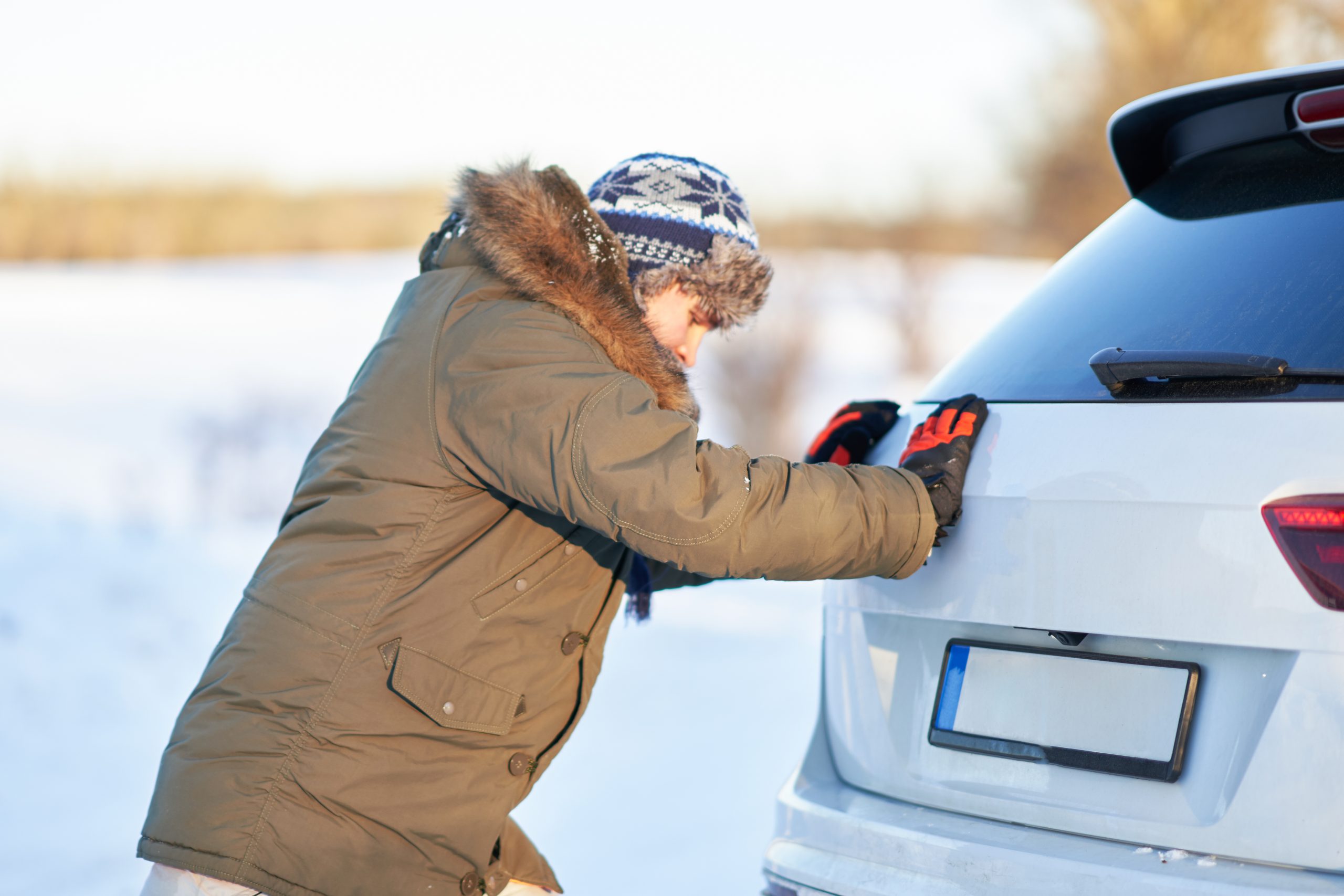
If you’re stuck in snow, do not spin your wheels, as this can dig the tyres deeper or damage the drivetrain. Instead, straighten your wheels, use gentle rocking (drive-reverse) if safe and use grit/mats/traction boards beneath your tyres.
Selecting the best breakdown recovery service for you
Don’t get caught out this winter by having no breakdown cover when faced with an emergency.
Plan ahead and stay protected with Elite Vehicle Repairs. We offer free breakdown recovery for vehicles involved in a road traffic collision. Contact us online, to get more information on our 24-hour speedy breakdown recovery service.
The winter period is no challenge for our qualified technicians here at Elite Vehicle Repairs.






© Elite Vehicle Repairs - 2026
