
What to do if you breakdown on a motorway
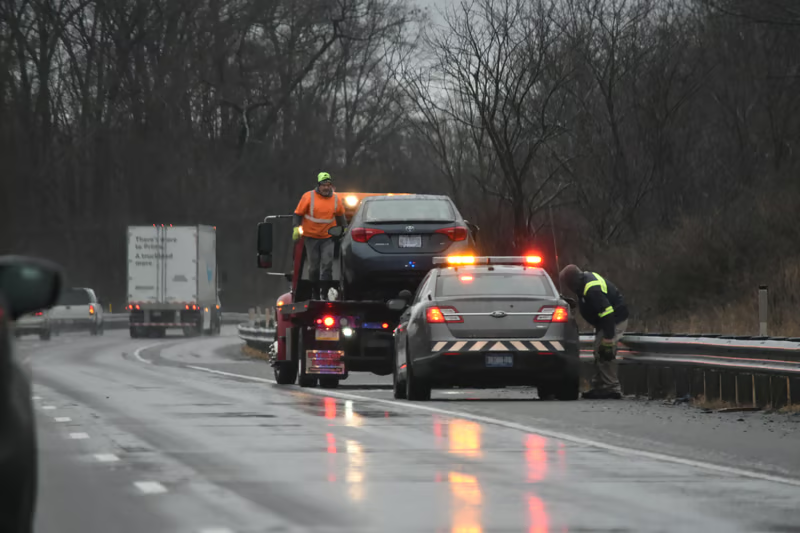
Breaking down on a motorway can be a stressful and frightening experience for all drivers.
With fast-moving traffic just metres away, knowing what to do if you break down on a motorway can make the difference between staying safe and putting yourself at risk.
Whether you are on a traditional motorway or a smart motorway, with no hard shoulder, correct positioning, visibility and communication reduce the risk of serious collisions.
In this article, we will explain step-by-step exactly what to do if your vehicle begins to fail on the motorway, how to get help and how to keep yourself and your passengers safe.
What are the warning signs of a motorway breakdown?
Most vehicles will show warning signs before a complete breakdown occurs, especially at motorway speeds.
Recognising these early can give you vital time to react safely and move off the motorway before the situation becomes dangerous.
Common warning signs include:
- Dashboard warning lights, such as engine, oil, battery or temperature alerts.
- Loss of power, difficulty accelerating or maintaining speed
- Smoke or unusual noises, including grinding, knocking or burning smells.
If you notice any of these signs, switch on your hazard lights early and begin moving left safely as soon as possible.
What should you do immediately if your car breaks down?
Staying calm whilst acting quickly and safely is vital when breaking down on the motorway. The steps you take in the first few moments can significantly reduce the risk to you and other road users.
You should:
- Switch your hazard warning lights on as soon as you notice a problem. This alerts drivers behind you that something is wrong and helps prevent sudden reactions.
- Move left safely and gradually, checking mirrors and signally early. Change lanes smoothly and calmly, aiming to reach the next motorway exit or service station. If that is not possible, head for the hard shoulder or an emergency refuge area on a smart motorway.
- Reduce speed slowly, as the power drops off. Ease off the accelerator, brake gently if needed and keep your steering steady. Avoid sudden braking or sharp movements.
- Do not stop in a live lane unless you have no other option. If your vehicle comes to a stop in a live lane, keep your hazard lights on, remain in the car with your seatbelt fastened and call 999 immediately.
- Focus on visibility and predictability. Your priority is to be visible to other drivers and predictable in your movements, giving surrounding traffic time to slow down and move around you safely.
Where is the safest place to stop on a motorway?
If your vehicle begins to fail while travelling on a motorway, your priority is to get off the motorway completely if you can.
- Exit the motorway at the next junction or service station whenever possible. This is always the safest option.
- If leaving the motorway isn’t possible, use the hard shoulder if one is available. Pull over as far left as you can, keep your hazard warning lights on, and turn you wheels away from the carriage way.
- On a smart motorway, look for an emergency refuge area (ERA). These are designed to provide a safer place to stop and are clearly marked with blue signs and an orange SOS phone.
- If your vehicle breaks down in a live lane and cannot be moved, do not attempt to exit the vehicle unless instructed to do so by emergency services. Keep your hazard lights on, stay in the car with your seatbelt fastened and call 999 immediately.
What should you do once you have stopped?
If you have broken down of the motorway, your top priority is to protect yourself and your passengers whilst help is arranged.
Switch off The Engine and Keep Hazard Lights On
This will reduce the risk of a fire and will help other drivers continue to see your vehicle once it has stopped.
Get Out of The Vehicle Safely
If you are on the hard shoulder or in an emergency refuge area, exit the vehicle using the left-hand doors, ensuring that all passengers get out. Never exit on the traffic facing side.
Move to a Safe Place Away from Traffic
Once out of the vehicle, stand behind the crash barrier if one is present.
If not, get as far away as possible from the carriageway. Do not stand in front of the vehicle, behind the vehicle or on the hard shoulder near traffic.
Wear High-Visibility Clothing
If you have a high-visibility jacket, put it on before leaving the vehicle as this greatly improves visibility, especially at night and in poor weather conditions.
Stay Well Away from Your Vehicle
It may feel safer to remain near your car, but it is often dangerous.
Vehicles can be struck even when parked correctly and debris can be thrown into the hard shoulder.
Prioritise distance from the traffic, overstaying with your vehicle.
How should you call for help on the motorway?
1. Use an Emergency Roadside Phone
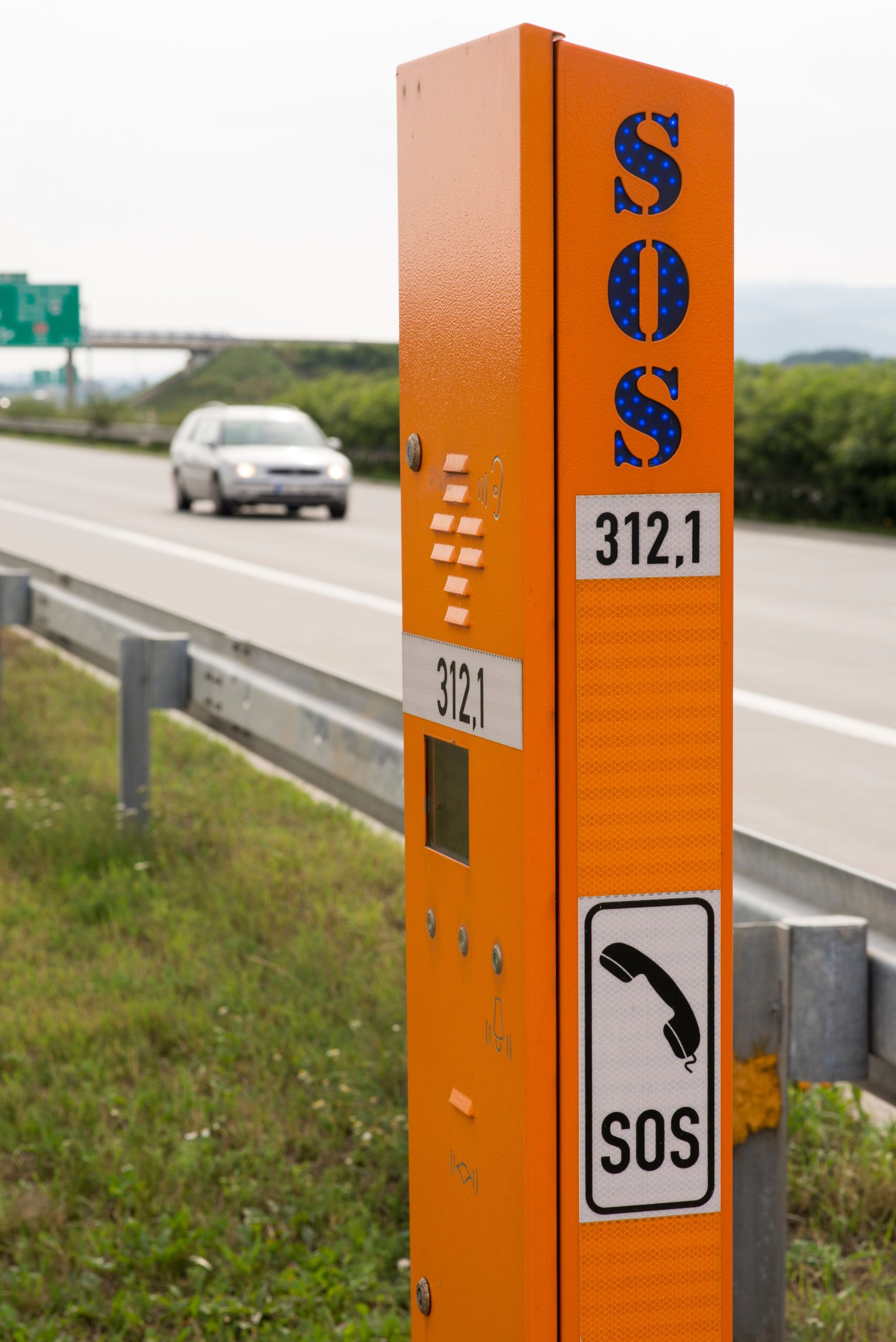
If you are on hard shoulder or in an emergency refuge area look for an orange SOS phone.
The phone will connect you to the National Highway who can locate you instantly, close lanes if needed and arrange assistance.
2. Call Your Breakdown Provider
Be ready to give your location, including the motorway name, direction and junction number.
Inform them of the nearest marker poster or emergency area number, alongside your vehicle make, model and colour and the number of passengers involved.
3. Call 999 If in Immediate Danger
Call the emergency services if you are stuck in a live lane, feel unsafe, there has been a collision or is someone is injured.
Tell the operator you’ve broken down and your exact location.
4. Follow Instructions Carefully
If you are speaking to the National Highway, police or recovery operators follow their instructions exactly.
What to do if you breakdown on a smart motorway
Smart motorways are different to a regular motorway as there are no hard shoulders, meaning the left-hand lane may be used by moving traffic.
Instead, they use Emergency Refuge Areas (ERAs) which are spaced at regular intervals.
ERAs are marked by blue signs showing a phone symbol and distance and include an orange emergency roadside phone.
Once pulled in fully, turn your hazards on and use the emergency phone immediately to connect with the National Highways who will arrange assistance.
What should you not do during a motorway breakdown?
When your vehicle breaks down on a motorway, certain actions can put you at serious risk. Always avoid the following:
- Do not attempt repairs as standing near moving traffic is extremely dangerous
- Do not walk on the carriageway, as drivers may not expect pedestrians on motorways and may not see you in time.
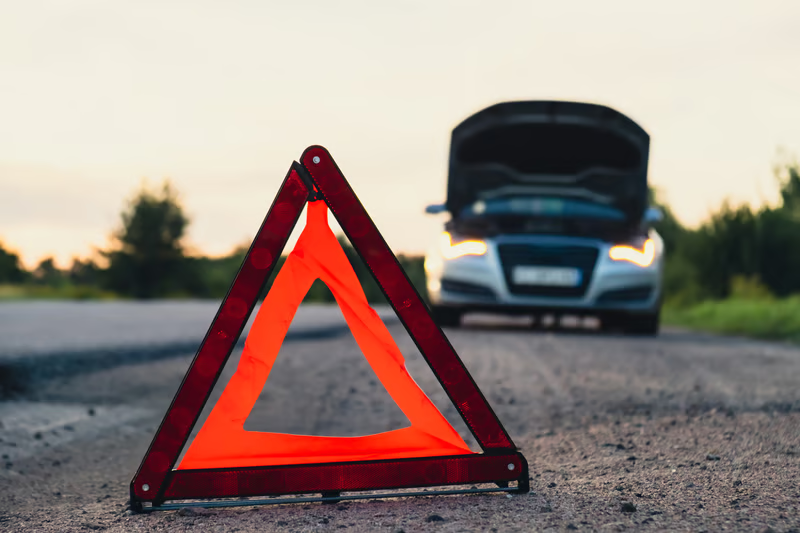
- Do not use warning triangles in live lanes as it is unsafe to walk back along the motorway to place them, and approaching drivers may not have enough time to react.
How to safely re-join the motorway after a breakdown
If your vehicle has been repaired on the hard shoulder or in an emergency area, and you have been advised it is safe to continue, you can re-join the motorway with caution.
If you have been assisted by traffic officers or used a emergency phone, follow any instructions given before re-joining.
You should:
1. Build up your speed safely
Use the hard shoulder (if permitted) to increase your speed so it is as close as possible to the flow of the traffic.
2. Check thoroughly before moving off
Check all mirrors and your blind spots carefully. Traffic on the motorway will be travelling at high speed, so awareness is essential.
3. Signal and merge when it’s safe
Indicate clearly and only move into lane 1 when there is a sufficient gap. You must not force other vehicles to slow down.
4. Continue to accelerate once merged
Once you have safely joined the motorway, continue accelerating to match the speed of the traffic and maintain a safe following distance.
How can you prepare for a motorway breakdown?
Good preparation can reduce the likelihood of your vehicle breaking down on the motorway and help keep you if it does happen.
You should:
Check your vehicle before long journeys
Carry out basic checks such as tyre condition and pressure, oil and coolant levels, and brake fluid to ensure your vehicle is roadworthy.
Have your phone and essentials ready
Make sure your mobile phone is fully charged and that important contact numbers are saved, giving you reassurance if you need assistance.
Carry a high-visibility jacket
Keep a high-visibility jacket inside the vehicle (not in the boot) and put it on before exiting the car to improve your visibility to other road users.
Check your breakdown cover
Ensure your breakdown cover is active, review what is included in the policy and confirm that your personal and vehicle details are correct.
Pack an emergency kit
Useful items such as warm clothing, blankets, bottled water, a torch, a first aid kit and any essential medication will help you stay safe and comfortable if you break down.
Plan your journey in advance
Before setting off check your route and traffic conditions, and plan regular stops at service stations to rest.
Motorway Breakdown Recovery with Elite Vehicle Repairs
Breaking down on a motorway can be a stressful and potentially dangerous situation, but the risks can be greatly reduced with the right preparation and knowledge.
By prioritising safety and planning, drivers can protect themselves and others while waiting for assistance.
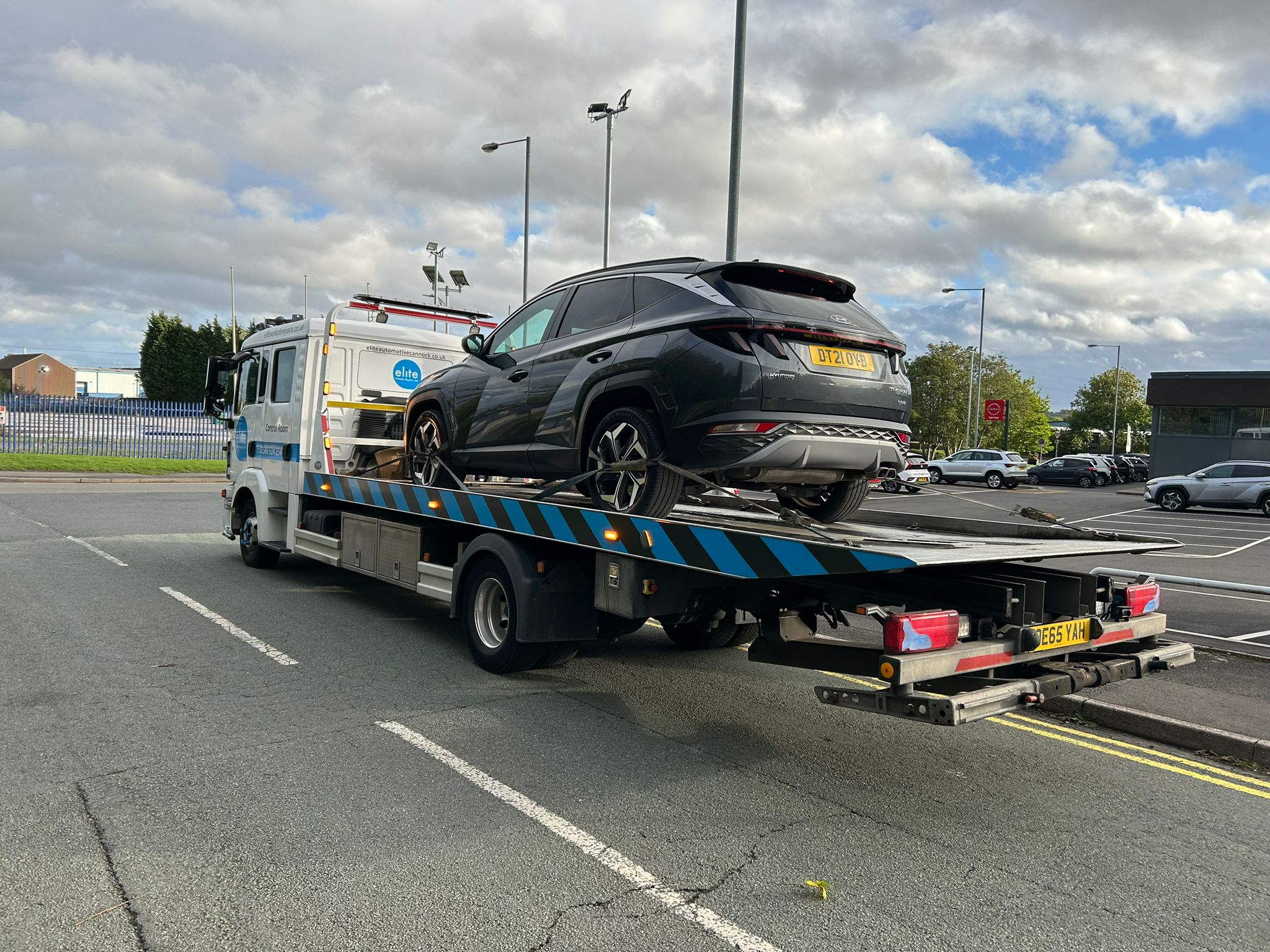
At Elite Vehicle Repairs, our 24-hour breakdown recovery service provides reliable roadside support, recovery and reassurance when it matters most.
As an RAC approved garage, you can have confidence that our breakdown recovery work is carried out to the highest standard.
Contact us today to ensure you are never left dealing with a motorway breakdown alone.






© Elite Vehicle Repairs - 2026
