
5 common causes of car breakdowns and how to prevent them
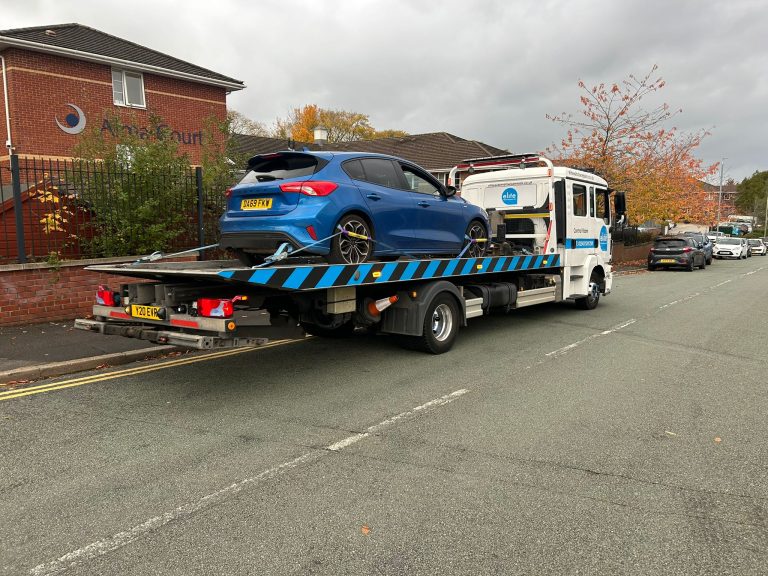
Is your car refusing to start, or has a warning light suddenly appeared on your dashboard while you’re driving? Don’t panic, breakdowns happen when you least expect them, but help is always available to get you back on the road.
At Elite Vehicle Repairs, we provide reliable support for drivers across Cannock and the wider Staffordshire area, including fast 24-hour breakdown recovery for when things go wrong.
From flat batteries and punctured tyres to engine issues, starter motor faults, low oil or even putting the wrong fuel in your vehicle, there are a number of common reasons why cars break down. In this blog, we’ll explore the most frequent causes of car breakdowns, explain what you should do if this happens to you and share simple tips to prevent the same issue in the future.
Most common causes of car breakdowns
Before we go into these issues in more detail, here’s a quick look at some of the most common reasons cars breakdown on UK roads:
- Flat or dead battery
- Punctured or damaged tyres
- Engine overheating
- Alternator or charging issues
- Fuel or ignition problems
These faults can happen suddenly or develop gradually over time. While there are many other potential reasons for a car breakdown, these are among the most common issues drivers experience.
Now let’s break them down…
1. A flat or dead battery
A flat or dead battery is one of the most common reasons a car won’t start.
You may notice signs such as:
- The engine struggling or failing to turn over
- A clicking noise when you try to start the car
- Dim or unresponsive dashboard lights
These issues are usually caused by things like leaving lights or electrics on, frequent short journeys that don’t allow the battery to recharge, cold weather conditions, or simply an ageing battery that is no longer holding charge.
What to do:
If this does happen, a jump start may get you going again. However, if the issue keeps coming back, it’s usually a sign that the battery needs replacing or there is a charging fault that needs checking.
Ensuring lights and electrics are switched off when you leave the vehicle can help prevent a flat battery, alongside regular battery checks and making sure the vehicle is driven enough to maintain charge.
2. Punctured or damaged tyres
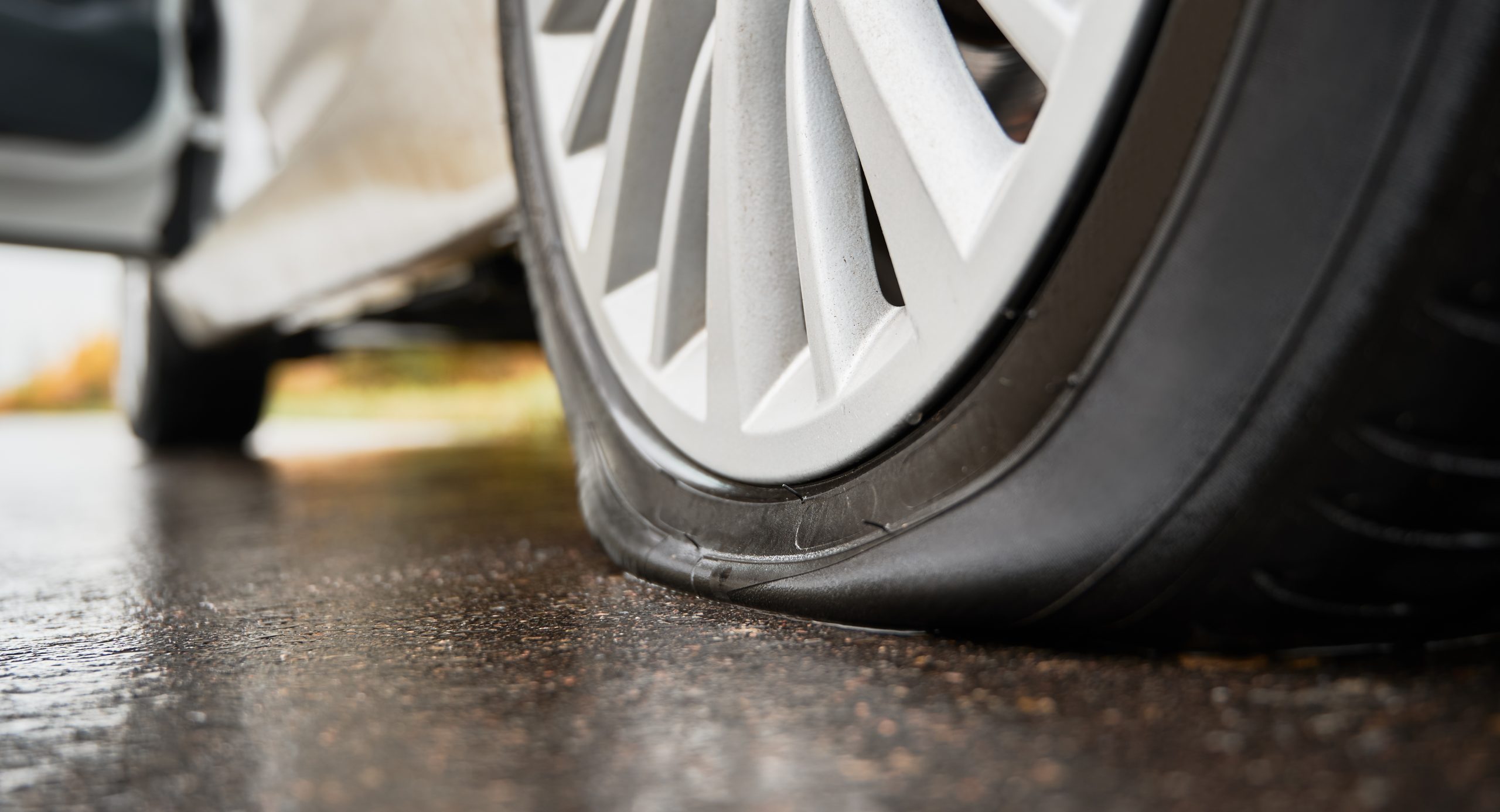
A punctured or damaged tyre can often leave you stranded unexpectedly.
You may notice signs such as:
- A sudden loss of pressure in one tyre or a slow deflation
- A low tyre pressure warning light appearing on the dashboard
- The vehicle pulling to one side while driving
- A visible puncture, bulge or damage to the tyre wall
This is usually caused by a sharp object such as a nail or glass, hitting potholes or general wear and tear over time.
What to do:
If you have a puncture, it may be possible to use a spare wheel to get the car back on the road temporarily. However, damaged or unsafe tyres will usually need replacing to ensure the vehicle is roadworthy.
Regularly checking tyre pressure, monitoring tread depth and inspecting tyres for visible damage can help reduce the risk of a breakdown caused by tyre failure.
3. Engine overheating
Engine overheating is a serious issue that can quickly lead to a breakdown, and if ignored can cause significant engine damage.
You may notice signs such as:
- The temperature gauge moving into the red
- Steam coming from under the bonnet
- A warning light appearing on the dashboard
- A burning smell coming from the engine bay
These problems are usually caused by low coolant levels, coolant leaks, a broken thermostat or issues with the water pump.
What to do:
If your engine starts to overheat, pull over safely as soon as possible and turn off the engine. Do not open the coolant cap while the engine is still hot. Call for roadside assistance.
Regularly checking your coolant levels and ensuring your coolant system is serviced can help reduce the risk of overheating.
4. Alternator or charging issues
The alternator is responsible for charging your car’s battery while the engine is running, so if it fails, the battery will quickly lose charge, and the vehicle may break down.
You may notice signs such as:
- The battery warning light appearing on the dashboard
- Electrical features such as lights or windows becoming weak or flickering
- The car struggling to start or stalling repeatedly
- A burning smell
These issues are often caused by worn-out internal parts such as bearings or loose drive belts.
What to do:
If you suspect an alternator issue, it’s best to switch off the non-essential electrics and get the vehicle checked as soon as possible.
The car will most likely need professional diagnosis and repairs.
5. Fuel or ignition problems
Fuel or ignition problems can prevent your car from starting or cause it to cut out while driving.
You may notice signs such as:
- The engine turning over but failing to start
- The vehicle stalling while driving
- Difficulty accelerating or a loss of power
- A strong smell of fuel
These problems can be caused by running out of fuel, using the wrong fuel, a failing fuel pump or issues with the ignition system.
What to do:
If you run out of fuel, getting to the nearest petrol station and refilling may resolve the issue but other fuel or ignition faults will usually require professional diagnosis and repair.
How to prevent car breakdowns
While some breakdowns can happen unexpectedly, many can be avoided with regular maintenance and simple checks.
You can reduce the risk of a breakdown by:
- Keeping up with regular servicing and inspections
- Checking tyre pressure and tread depth regularly
- Making sure engine oil and coolant levels are topped up
- Replacing worn batteries, belts and spark plugs on time
- Avoiding running the fuel tank too low
- Paying attention to any warning lights on the dashboard
Taking care of the small issues early can help prevent them from developing into bigger and more costly problems.
What to do if your car breaks down
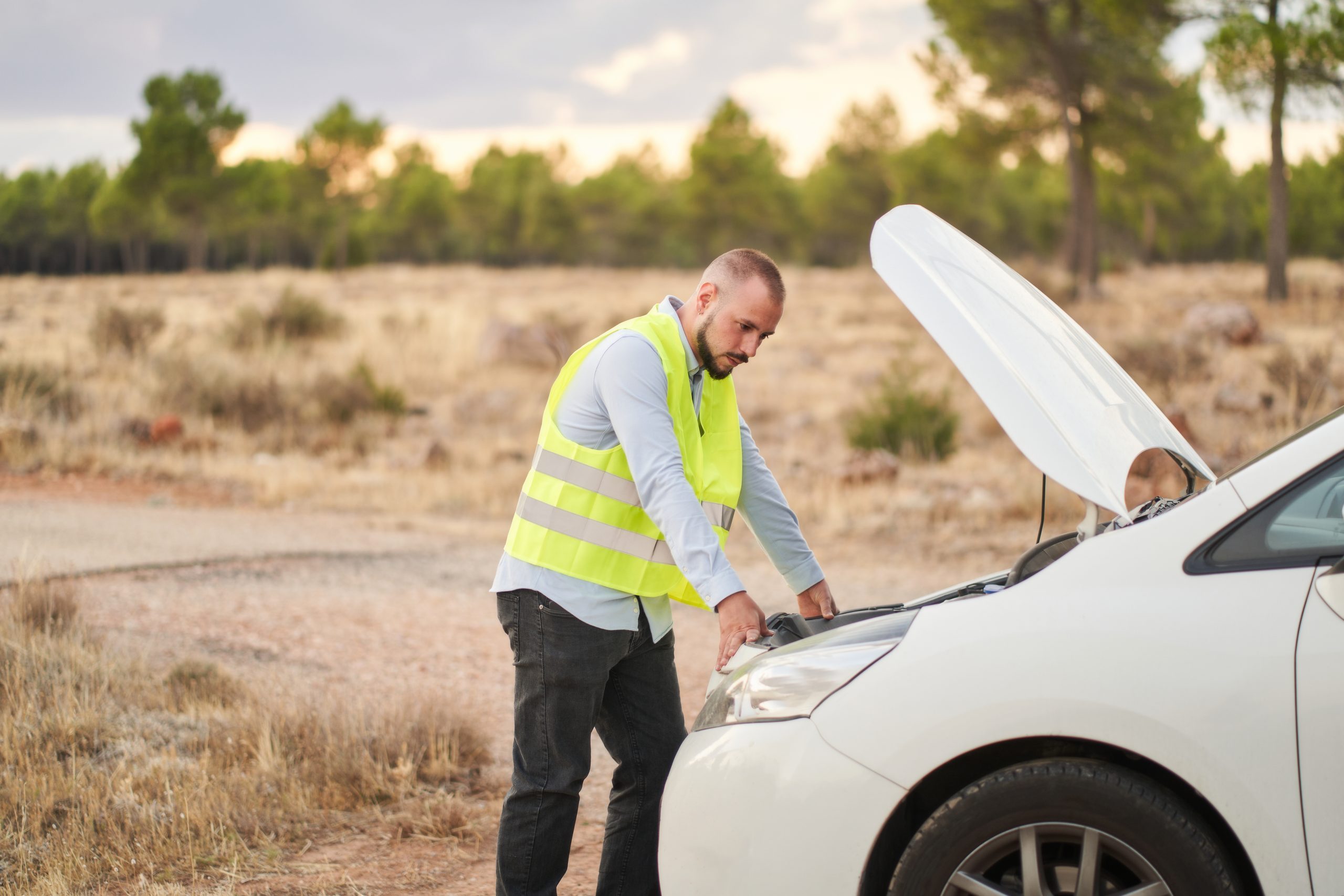
If your vehicle breaks down while driving, don’t panic, try to stay calm and:
- Pull over safely and switch on your hazard lights
- Turn off the vehicle and move away from traffic
- Contact a breakdown recovery service or local garage for assistance
Avoid attempting repairs on busy roads (never on motorways) unless it is completely safe to do so.
Read our guides on what to do if you breakdown on the motorway, or if you don’t have cover.
Conclusion
Car breakdowns can happen for a variety of reasons, often unexpectedly. While some problems are unavoidable, many can be reduced with regular servicing and early checks.
Need breakdown assistance in Staffordshire?
If you find yourself stuck at the roadside or your vehicle won’t start, Elite Vehicle Repairs are here to help.
Our 24-hour breakdown service provides reliable, fast support to get you back on the road as quickly and as safely as possible.
Get in touch today for breakdown assistance, vehicle servicing and repairs.






© Elite Vehicle Repairs - 2026
