
Can you drive with an engine warning light on?
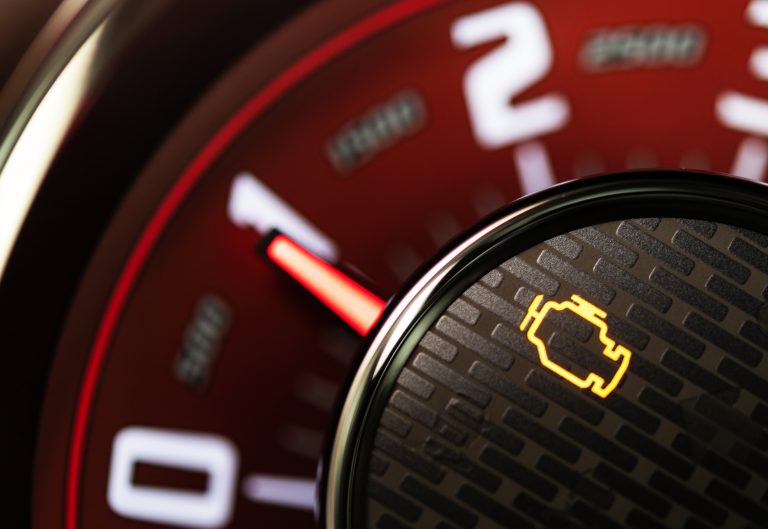
Has your engine warning light come on while driving? Firstly, don’t panic.
In many cases, a yellow or amber engine warning light means the vehicle may remain drivable for a short distance – although not really recommended.
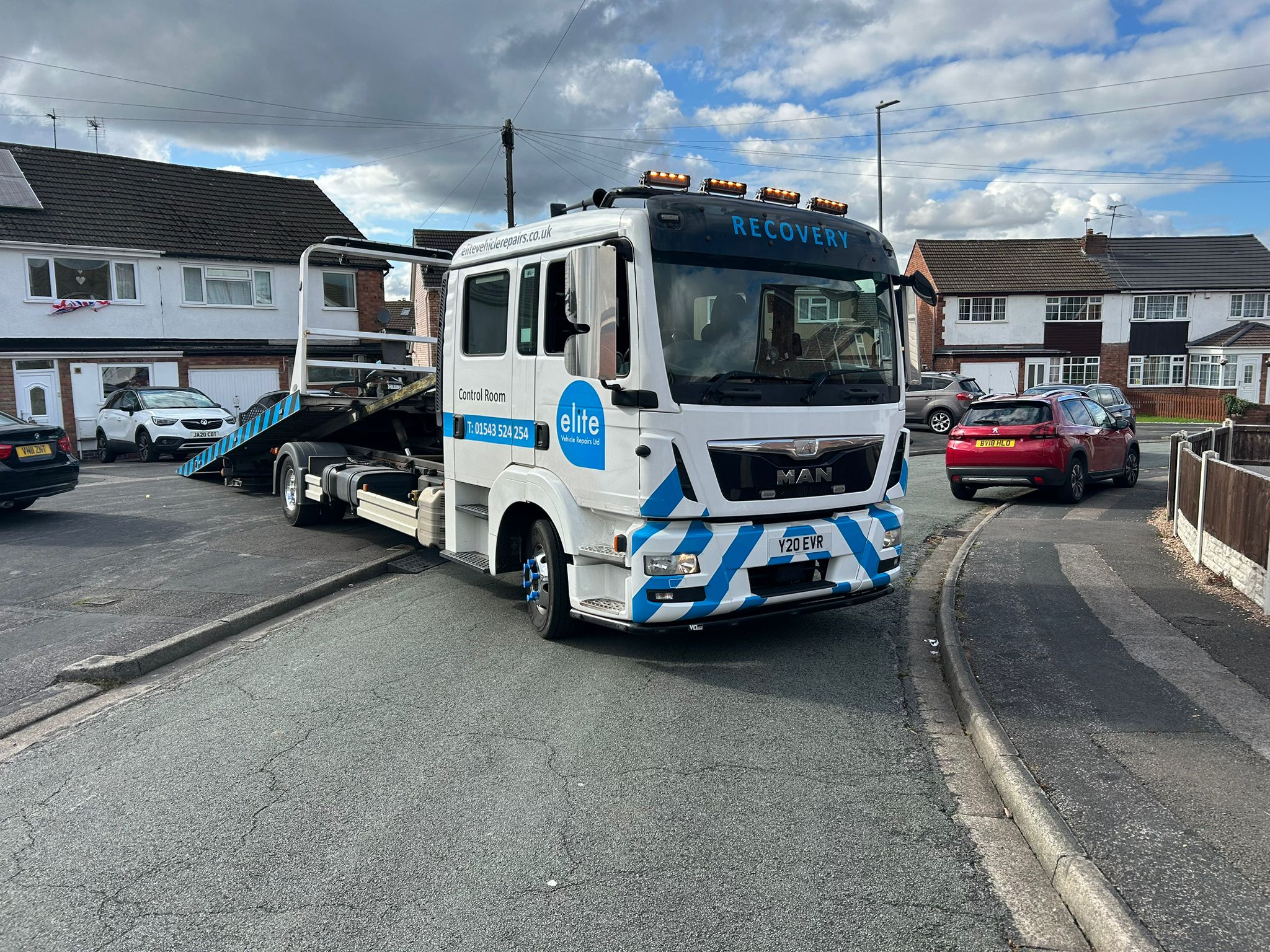
However, if the light is flashing, red or accompanied by a loss of power, unusual noises, smoke or overheating, you should pull over safely and seek vehicle recovery.
While it may be possible to continue driving with an engine warning light on, it’s never something you should ignore. Even a minor fault can quickly develop into a more serious and expensive repair if left unchecked.
In this article, we’ll explain what the engine warning light means, when it is safe to keep driving, when to stop immediately, when to contact a breakdown recovery service and how car diagnostics can identify the fault quickly.
What does an engine warning light mean?
Your engine warning light, sometimes called the engine management light, appears when your vehicle’s onboard computer detects a fault within the engine, emissions system or electronics.
The colour and the behaviour of the warning light can help indicate how serious the problem may be.
What does a yellow/amber warning light mean?
A yellow or amber engine warning light usually means the vehicle has detected a fault that should be checked as soon as possible.
In many cases the car will still drive normally, although you could notice:
- Reduced performance
- Lower fuel economy
- Difficulty starting
- Hesitation
While the vehicle may still be safe to drive for a short distance, it is not usually recommended as this can lead to more serious or expensive damage.
Common causes for this warning light include sensor faults, issues with the ignition or emission-related problems such as EGR or DPF system faults.
What does a flashing or red warning light mean?
If your engine light is flashing or is red, this indicates that there is a serious fault or engine misfire which could cause immediate or irreversible damage to your vehicle.
If this comes on when driving, you should pull over when safe to do so, turn off the engine and wait for roadside assistance or vehicle recovery.
Professional engine diagnostics can help identify the likely cause of the issue by reading the fault codes stored in your vehicle’s ECU (Engine Control Unit).
This allows the technicians to pinpoint the issue accurately, avoid unnecessary repairs and get you back on the road as quickly as possible.
Can you continue driving with an engine warning light on?
If your vehicle is showing a yellow or amber warning light, it may still be safe to continue driving for a short distance to reach your destination or a repair garage. Drivability will depend on the severity of the fault and the vehicle’s behaviour.
The vehicle should still be driving normally with:
- No unusual noises
- No smoke
- No burning smells
- No loss of power
Even if the car appears to be running correctly, you should arrange a diagnostic check as soon as possible to identify the fault before it develops into a more serious issue.
When should you stop driving immediately?
If your vehicle has a flashing or red engine warning light, you should stop driving as soon as it is safe to do so.
This is especially important if you notice:
- Smoke from the engine or exhaust
- Overheating
- A burning smell
- Severe vibrations
- Limp mode activated
- Major loss of power
Continuing to drive in these conditions could cause catastrophic engine damage and may lead to a breakdown. In these situations, you should contact a breakdown recovery service and arrange professional vehicle diagnostics before continuing your journey.
Common causes of an engine warning light
Your engine warning light can be triggered by a wide range of issues, from minor sensor faults to more serious engine or emissions problems.
Some of the most common issues include:
- Faulty Sensors – Sensors are used to monitor engine performance. Faulty oxygen, airflow or temperature sensors can all trigger the engine warning light.
- Ignition Problems – Worn spark plugs, failing ignition coils or engine misfires can cause hesitation and reduced performance.
- DPF or Emission System Faults – Diesel vehicles experience DPF (diesel particulate filter) issues, especially if the car is mainly used for short journeys. EGR and catalytic converter faults can also trigger the engine warning light.
- Battery or Electrical Issues – Low battery, damaged wiring or electrical faults can sometimes interfere with the vehicle’s sensors and ECU.
- Fuel System Problems – Injector faults, fuel pressure issues or contaminated fuel may affect engine performance and activate the warning light.
How engine diagnostics identifies the fault
Modern vehicles store fault codes whenever a problem is detected.
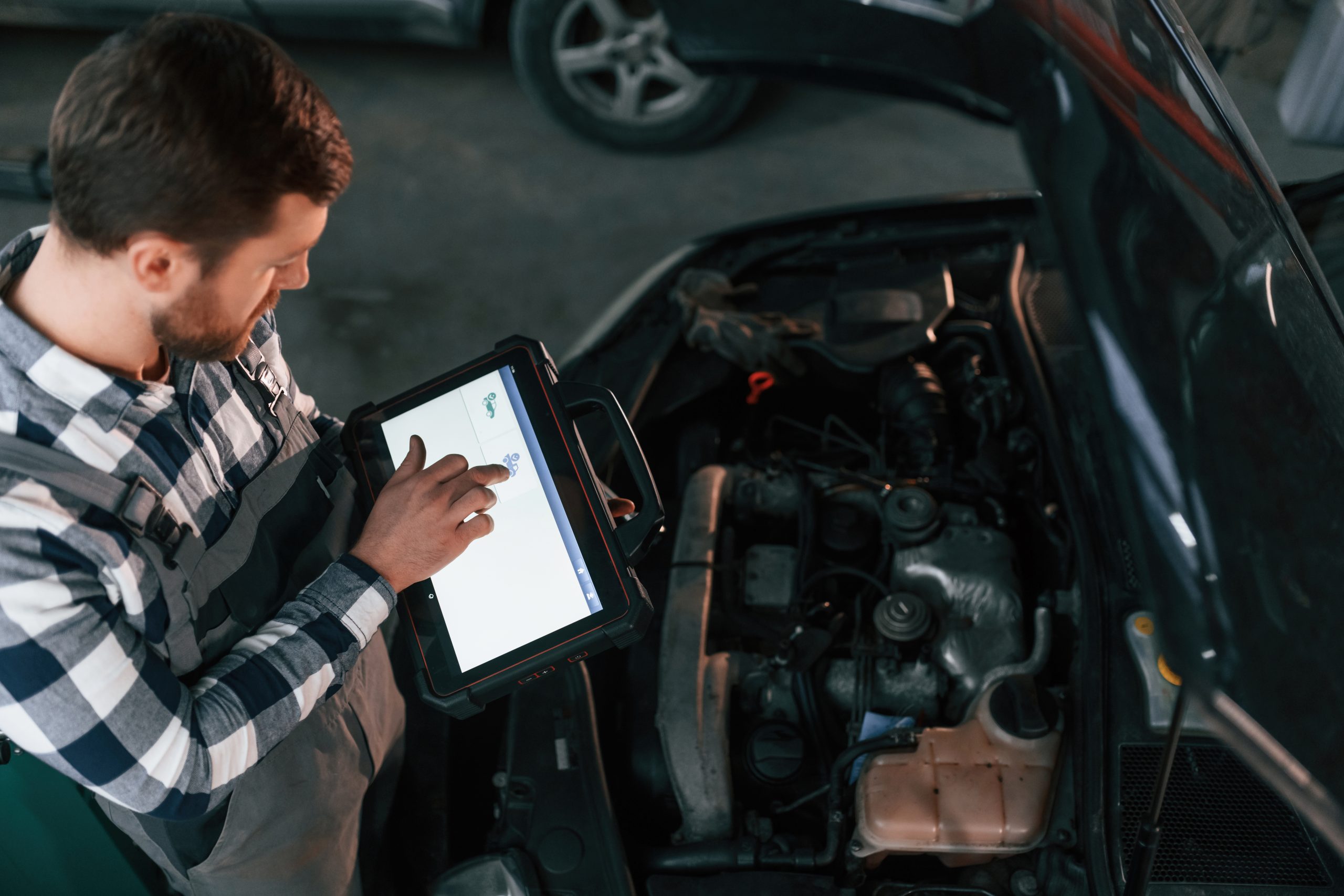
During a diagnostic check, specialist equipment is connected to the vehicle’s ECU (Engine Control Unit) to read these fault codes and identify the cause of the engine warning light.
Engine diagnostics can quickly detect issues including sensor faults, ignition problems, electrical issues and more.
At Elite Vehicle Repairs, we have state-of-the-art diagnostics software to allow us to better and more accurately pinpoint any issues and get them quickly fixed, so you’re back on the road in no time.
Need help with an engine warning light?
If your engine warning light has come on, it’s important not to ignore it. While some faults may be minor, others can develop into serious and expensive repairs if left unchecked.
At Elite Vehicle Repairs, we provide professional engine diagnostics, vehicle repairs and 24-hour breakdown recovery services across Cannock and the surrounding areas.
Whether your vehicle needs a quick diagnostic check or roadside recovery, our experienced team is here to help get you safely back on the road.
Contact us today to help you book your vehicle diagnostics or arrange breakdown recovery assistance.






© Elite Vehicle Repairs - 2026
